
glass with diamond pattern
Omkostninger ved Mikrometre En Nærmere Beskrivelse Mikrometre er essentielle værktøjer i mange industrier, herunder maskinbygning, elektronik og præcisionsmåling. Disse instrumenter muliggør måling af små dimensioner med ekstrem præcision, hvilket gør dem uundgåelige i kvalitetskontrol og produktionsprocesser. Men når vi taler om mikrometre, er det vigtigt at overveje omkostningerne forbundet med disse instrumenter, da de kan variere betydeligt afhængigt af flere faktorer. Omkostninger ved Mikrometre En Nærmere Beskrivelse Desuden er typen af mikrometer også en afgørende faktor for omkostningerne. Der findes forskellige typer mikrometre, såsom udvandrere, indvandrere og digitale mikrometre. Digitale mikrometre er normalt dyrere end deres analoge modparter, men de tilbyder fordelene ved hurtigere aflæsninger og lettere tolkning af data. Når man vælger en mikrometer, skal man overveje, hvilken type der er mest hensigtsmæssig for ens specifikke behov, hvilket kan have stor indflydelse på det samlede budget. cost of micrometer Kvaliteten af mikrometeret spiller også en væsentlig rolle i dets omkostninger. Højpræcisionsmikrometre fra anerkendte producenter vil ofte have en højere pris, men de tilbyder også en bedre nøjagtighed og holdbarhed. Det er vigtigt at finde en balance mellem omkostninger og kvalitet, da en lavere pris ofte kan betyde kompromis med nøjagtigheden, hvilket kan føre til fejlmålinger og potentielt kostbare konsekvenser i produktionen. En anden faktor, der spiller ind, er det specifikke anvendelsesområde for mikrometeret. Hvis det kræves til mere specialiserede målinger, kan der være behov for specialdesignede mikrometre, som ofte har en højere pris. For eksempel, hvis man arbejder inden for flyindustrien eller medicinalindustrien, hvor ekstrem præcision er afgørende, vil omkostningerne til mikrometre være højere på grund af de strengere krav til kvalitet og præcision. Det er også værd at nævne, at vedligeholdelsen af mikrometeret kan være en yderligere omkostning. For at sikre præcise målinger kræver mikrometre regelmæssig kalibrering og vedligeholdelse. Omkostningerne ved kalibrering kan variere afhængigt af, hvor ofte det er nødvendigt, og om det udføres internt eller eksternt. At investere i korrekt vedligeholdelse kan dog forlænge levetiden for mikrometeret og sikre, at det fungerer optimalt. Afslutningsvis, når man overvejer omkostningerne ved mikrometre, er det vigtigt at se på de forskellige faktorer, der kan påvirke prisen – fra materialer og typer til kvalitet og vedligeholdelse. Det er vigtigt at finde det rigtige mikrometer, der passer til ens specifikke behov og budget. Kvalitet har ofte en pris, men det er ofte en værdifuld investering for at sikre præcise målinger og dermed højere kvalitet i det endelige produkt. At forstå omkostningerne forbundet med mikrometre kan hjælpe virksomheder med at træffe informerede beslutninger og optimere deres måleprocesser.
about
glass with diamond pattern
Understanding the 8% Butterfly Valve Function and Importance in Fluid Control Butterfly valves are essential components in various industrial applications, servicing a multitude of sectors, including water treatment, chemical processing, and HVAC systems. Among the various designs and specifications of butterfly valves, the term 8% butterfly valve often refers to a specific torque requirement or capacity in operational functionality. Understanding the intricacies of such valves can significantly enhance efficiency and reliability in fluid control systems. What is a Butterfly Valve? A butterfly valve is a quarter-turn valve that uses a rotating disc to control the flow of fluid. The disc is mounted on a shaft, and when the valve is turned 90 degrees, the disc either opens or closes the flow path. This mechanism allows for quick operation and makes butterfly valves an ideal choice in applications where space is limited and efficiency is crucial. The Significance of the 8% Capacity The term 8% butterfly valve pertains to a design specification that indicates the valve’s ability to handle certain flow rates or pressures effectively. This percentage often relates to the percentage of the maximum flow capacity that can be controlled or regulated by the valve without incurring excessive cavitation or loss of pressure. For instance, if a valve is rated for a maximum flow capacity and is optimized for 8% control performance, it means that it can manage flow rates that are 8% of its full capacity under specific conditions. The 8% butterfly valve is particularly useful in applications where precise control of large volumes is necessary. Industries that require regulation of fluids in variable conditions, such as power plants, food processing units, and oil and gas operations, benefit from such valves. The proportionate arrangement enhances performance while ensuring the system operates smoothly within established parameters. Key Benefits of 8% Butterfly Valves 8 butterfly valve 1. Efficient Flow Control One of the primary benefits of an 8% butterfly valve is its capability to control large volumes of fluid efficiently. The quick, quarter-turn operation reduces the time required to open or close the valve, simultaneously optimizing flow rates. 2. Compact Design Butterfly valves are known for their compact construction, making them easier to install and maintain compared to larger valve types. This compactness is a vast advantage in systems with limited space. 3. Durability and Reliability The design of the 8% butterfly valve ensures robust performance over time. These valves are built to withstand various pressure conditions, enhancing their reliability in critical operations. 4. Cost-Effectiveness Given their efficient operation and long lifespan, 8% butterfly valves can be a cost-effective solution for industries looking to minimize operational costs while maintaining high standards of fluid control. Applications of 8% Butterfly Valves The versatility of 8% butterfly valves allows their use across numerous sectors. In water treatment facilities, these valves regulate the flow of water and chemicals essential in purification processes. In the oil and gas industry, they manage the flow of hydrocarbons, ensuring safety and efficiency. Moreover, HVAC systems utilize butterfly valves to maintain air and water flow in heating and cooling systems. Conclusion In conclusion, the 8% butterfly valve plays a vital role in modern fluid control systems. Its design fosters efficient operation, durability, and cost-effectiveness, making it integral to many industrial processes. As industries continue to evolve and demand higher efficiency and reliability, understanding and implementing the appropriate specifications of valves like the 8% butterfly valve becomes increasingly essential. By leveraging such technology, businesses can enhance their operational standards while ensuring safe and effective fluid management.
-

High quality industrial productsagement

High quality industrial products
View Details -

Meet the diverse needs of customers

Meet the diverse needs of customers
View Details -

Strict quality control

Strict quality control
View Details -

Top raw materials

Top raw materials
View Details -

Trusted supplier

Trusted supplier
View Details
Our application


news and information

Water Valves_ Choosing the Right Type for Your Needs
When it comes to managing your water supply, selecting the right water valves is paramount. From mai
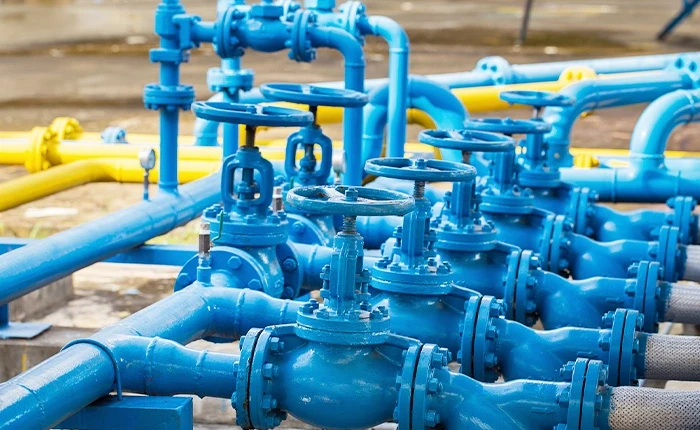
Using a Level Ruler for Accurate Measurements and Alignment in DIY Projects
The Importance of a Spirit Level Ruler in Construction and DIY Projects A spirit level ruler is an i

valve manufacturer
Navigating the landscape of valve manufacturers can be a challenging endeavor, particularly when sea
 English